Eyebrow Hair Transplant Vadodara: Reclaim Naturally Beautiful Brows
Your eyebrows do more than frame your face. They shape facial symmetry, influence expression, and contribute to your overall appearance. Yet genetics, ageing, hormonal changes, over-plucking, scars, burns, and previous cosmetic procedures can leave brows sparse, uneven, or patchy.
An eyebrow transplant offers a lasting way to restore lost brow hair using your own follicles. At Krisha Hospital, the procedure is performed using the Follicular Unit Extraction (FUE) technique, with meticulous attention to hair direction, density, shape, and facial proportions. The aim is not simply to add hair, but to restore brows that look natural, balanced, and beautifully suited to your features.
What Is an Eyebrow Transplant?
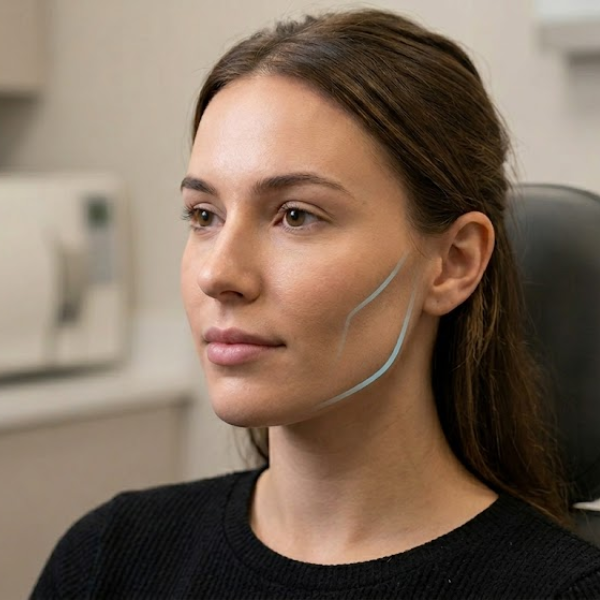
An eyebrow transplant is a surgical hair-restoration procedure that moves healthy hair follicles—typically from the back or sides of the scalp—to areas where the eyebrows are sparse or absent.
Unlike cosmetic treatments that simply create the appearance of brow hair, an eyebrow transplant uses living follicles capable of producing hair over the long term once they become established in their new location.
Precision is essential. Eyebrow hairs are finer than most scalp hairs and follow a distinct growth pattern. Each follicle must therefore be placed at a very shallow angle and carefully aligned with the direction of the surrounding brow hairs to achieve a natural-looking result.
The number of grafts required varies with each individual. The treatment plan considers factors such as the size of the area being restored, existing brow density, desired fullness, and facial structure to create a result that complements the patient’s features.
How Is an Eyebrow Transplant Performed at Krisha Hospital?
At Krisha Hospital, the eyebrow transplant process is based on the FUE technique. This approach allows individual follicular units to be extracted rather than removing a strip of scalp.
The treatment generally involves these stages:
Detailed Consultation and Brow Design
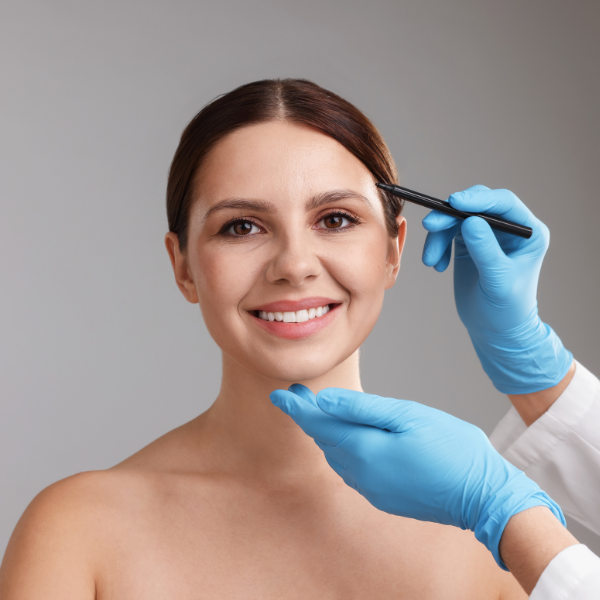
The surgeon evaluates your existing eyebrows, facial proportions, hair characteristics, donor area, and restoration goals. A suitable brow shape and density are planned before the procedure.
Donor Follicle Extraction
Individual hair follicles are carefully extracted from the selected donor area using a specialised micro-punch. Because follicles are harvested individually, the technique does not require a conventional linear strip incision.
Graft Preparation
The extracted follicles are prepared for implantation. Single-hair grafts are particularly important for eyebrow restoration because they can provide a finer and more natural-looking appearance.
Precise Implantation
The recipient area is prepared under local anaesthesia. Tiny openings are created at carefully controlled angles, and each graft is placed according to the planned direction of growth. This precision helps the transplanted hairs lie naturally against the skin.
Final Assessment
The surgeon checks the placement, symmetry, density, and overall brow design before completing the procedure.
For people researching eyebrow hair transplant Vadodara, understanding this precision-based process is important because successful eyebrow restoration involves much more than simply placing hair follicles into the skin.
Who Is an Ideal Candidate for an Eyebrow Transplant?
An eyebrow transplant may be considered by adults experiencing significant eyebrow thinning or hair loss caused by several factors, including:
- Naturally sparse or uneven eyebrows
- Excessive or prolonged plucking
- Age-related thinning
- Genetic hair loss
- Scarring from injuries, burns, or previous procedures
- Certain cosmetic treatments
- Loss of eyebrow density following trauma
A suitable candidate should have a healthy donor area with sufficient follicles and realistic expectations about the outcome. During consultation, the surgeon can determine whether transplantation is appropriate and whether another treatment may better address the concern.
Understanding the Recovery Process
Recovery after an eyebrow transplant is usually gradual, with visible changes occurring at different stages. Here is what you can generally expect:
Mild redness, swelling, tenderness, or sensitivity may appear around the eyebrows and donor area. Rest and follow the surgeon’s aftercare instructions.
Swelling and discomfort generally begin to settle. Tiny crusts may develop around the implanted follicles. Avoid rubbing, scratching, or putting unnecessary pressure on the treated area.
The skin continues to recover, while crusting and redness gradually reduce. Many patients can return to normal light activities, depending on their individual recovery.
Some transplanted hairs may shed during this period. This is a normal part of the hair-growth cycle and does not necessarily indicate graft failure.
New eyebrow hairs may begin emerging as the transplanted follicles enter their growth phase.
The eyebrows gradually become fuller and more defined. Regular trimming may eventually be needed because transplanted scalp hairs retain their original growth characteristics.
FUE Eyebrow Transplant vs Other Brow Restoration Options
Different eyebrow restoration methods offer different approaches to improving brow appearance. While makeup and microblading can enhance the look of eyebrows, an FUE eyebrow transplant uses your own hair follicles to create natural hair growth.
Feature | FUE Eyebrow Transplant | Microblading | Makeup / Brow Pencils |
Method | Transplants individual hair follicles into the eyebrow area | Creates hair-like strokes using cosmetic pigment | Uses pencils, powders, or gels to define the brows |
Result | Produces living hair growth | Creates the visual appearance of brow hairs | Provides temporary visual enhancement |
Longevity | Long-lasting transplanted hair | Requires periodic touch-ups as pigment fades | Lasts until makeup is removed |
Maintenance | Transplanted hairs may require regular trimming | Periodic colour and shape maintenance | Requires frequent or daily application |
Natural Hair Growth | Yes, using the patient’s own follicles | No | No |
Customisation | Hair direction, density, and shape can be planned individually | Brow shape and pigment can be customised | Shape and intensity can be changed as desired |
Best Suited For | Individuals seeking a lasting hair-restoration solution | Those seeking a non-surgical cosmetic brow enhancement | Those wanting quick, temporary brow definition |
For individuals considering an eyebrow hair transplant Gujarat, understanding these differences can help clarify what each approach can and cannot provide. The right choice depends on factors such as the extent of eyebrow hair loss, desired longevity, maintenance preferences, and individual suitability. A professional consultation can help determine the most appropriate approach for your goals.
Possible Risks and Expected Outcomes
As with any surgical procedure, an eyebrow transplant can involve potential risks. These may include temporary swelling, redness, discomfort, infection, follicle damage, scarring, uneven growth, or differences in density. The final result can also vary depending on individual healing, donor-hair characteristics, graft survival, and aftercare.
The transplanted hairs are expected to grow gradually rather than immediately. Patience is therefore an important part of the treatment journey. Proper planning and precise placement can help create a more natural-looking result, but no surgical procedure can guarantee a specific cosmetic outcome.
If you are exploring an eyebrow hair transplant Gujarat treatment, discussing potential benefits, limitations, and risks with a qualified surgeon is an important first step.
What Is Included in Our Eyebrow Transplant Package?
At Krisha Hospital, your treatment plan is designed around your individual eyebrow-restoration requirements. Depending on your needs, the package may include:
- Initial consultation and facial assessment
- Evaluation of the donor area
- Personalised eyebrow shape and density planning
- FUE follicle extraction
- Graft preparation
- Precise eyebrow implantation
- Local anaesthesia during treatment
- Post-procedure instructions
- Follow-up assessment and progress monitoring
The exact treatment plan and requirements are determined after an individual consultation rather than applying the same approach to every patient.
Restore Your Brows with Precision at Krisha Hospital
Naturally beautiful eyebrows depend on more than density. Direction, spacing, symmetry, hair calibre, and facial proportions all contribute to the final appearance. At Krisha Hospital, the focus is on combining FUE technology with careful surgical planning to create a personalised eyebrow-restoration approach.
If you are considering eyebrow hair transplant Vadodara, our team can assess your concerns, explain the procedure, and help you understand what results may realistically be achievable. For those considering an eyebrow hair transplant Gujarat treatment, professional evaluation can also help you make an informed decision based on your individual needs.
Frequently Asked Questions
An eyebrow transplant can restore sparse or uneven brows using your own hair follicles, creating long-term hair growth while allowing personalised control over brow shape, density, direction, and symmetry.
The FUE technique involves individually extracting follicles from a donor area, preparing suitable grafts, and precisely implanting them into the eyebrow region at carefully controlled angles.
The cost varies according to graft requirements, donor-area availability, brow density, and treatment goals. A consultation at Krisha Hospital is needed to develop an individual treatment plan and provide relevant cost information.
When performed by a qualified surgeon, eyebrow transplantation can be performed safely, but risks include swelling, infection, scarring, uneven growth, and graft loss. Results develop gradually over several months.
FUE uses your own hair follicles to produce living eyebrow hair, while microblading uses pigment to simulate brow hairs. FUE can provide a longer-term hair-restoration solution, although transplanted hairs require regular trimming.