
Advance Micro Sapphire DHI Hair Transplant Service at Krisha Hospital
Hair thinning and baldness can affect confidence and appearance at any age. Micro Sapphire DHI service combines follicular unit extraction with precise sapphire-blade channel creation and direct graft placement. The technique is designed to support natural hairline design, controlled graft positioning, and targeted density. At Krisha Hospital, treatment planning begins with an assessment of your hair loss, donor area, scalp condition, and restoration goals.
What Is Micro Sapphire DHI Service?
Micro Sapphire DHI service is a hair restoration procedure that combines the principles of Follicular Unit Extraction (FUE) and Direct Hair Implantation (DHI). Individual hair follicles are removed from the donor area and placed into prepared recipient sites. Fine sapphire blades are used to create precise channels, while a DHI implanter pen can help position grafts according to the planned angle, depth, and direction.
The technique focuses on careful handling of follicular units and accurate placement. Sapphire microblades can create fine recipient sites, while the design of these sites plays an important role in achieving a natural-looking result. Research has examined how blade shape and insertion angle can affect tissue injury during recipient-site creation.
How Does Micro Sapphire DHI Hair Transplant Work?
The treatment generally follows several carefully planned steps.
1. Hair and Scalp Assessment
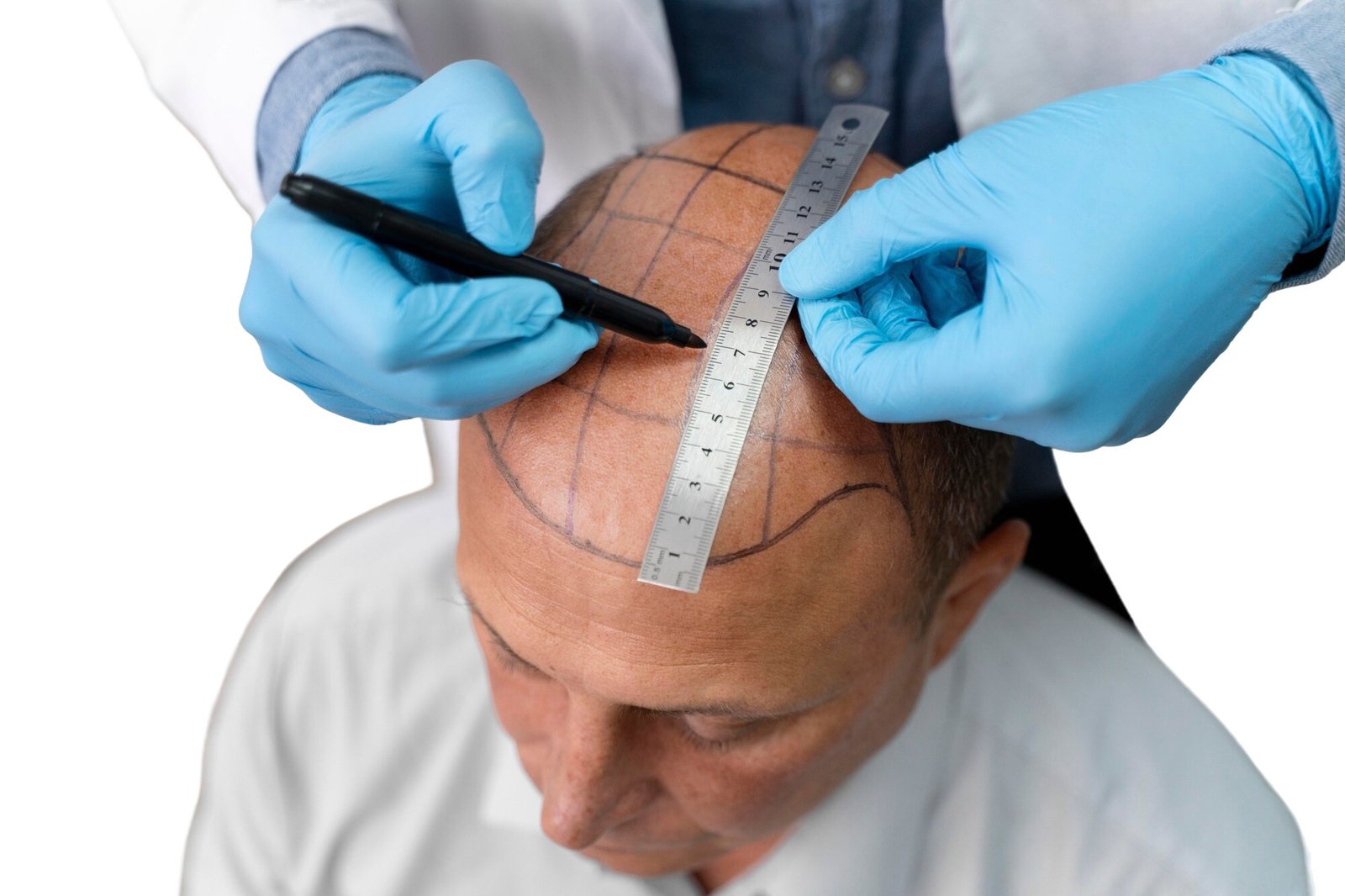
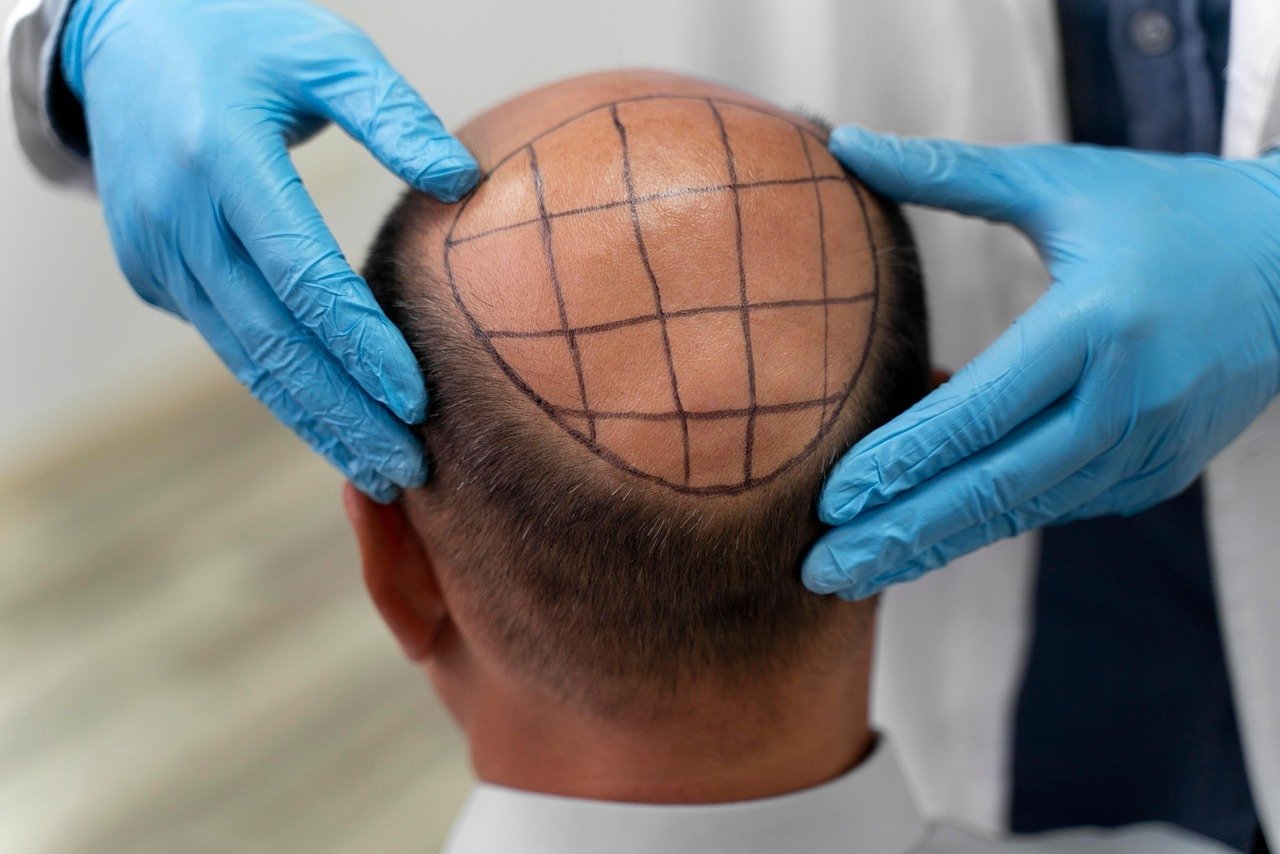
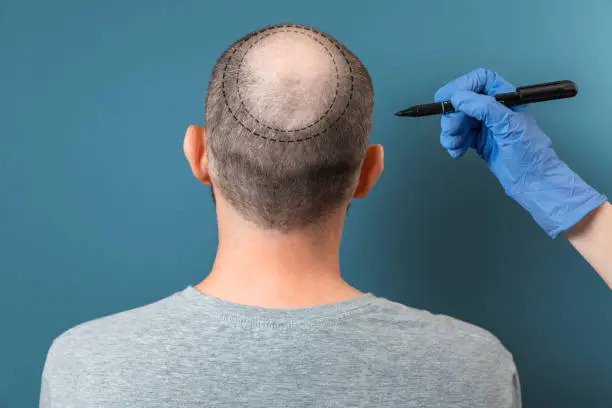
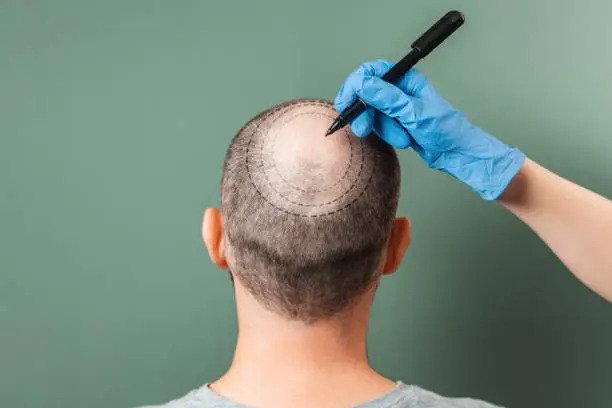
The surgeon first evaluates the pattern and extent of hair loss, donor hair density, scalp condition, existing hair direction, and the areas requiring restoration. This assessment helps determine whether DHI is appropriate and how many grafts may be required.
2. Individual Follicle Extraction
Healthy follicular units are extracted individually from the donor area, usually from the back or sides of the scalp, using a specialised micro-punch. Each graft is handled carefully to preserve its structure and viability.
3. Sapphire Channel Creation
Very fine sapphire blades are used to create recipient channels according to the planned hairline and growth pattern. The size, direction, depth, and spacing of these channels are important for proper graft placement and natural hair growth.
4. Direct Graft Implantation
The extracted grafts are placed into the prepared recipient sites using an appropriate implantation technique. Careful control of the angle and direction helps the transplanted hair blend with existing hair.
A Micro Sapphire DHI service may offer several advantages when selected for the right patient:
- Precise recipient-site creation
- Controlled graft placement
- Potential for natural-looking hairline design
- Targeted density in smaller treatment areas
- Minimal surgical scarring compared with strip harvesting
- Reduced tissue disturbance when fine recipient sites are appropriately created
- Shorter initial recovery for many patients
- Suitable options for selected unshaven or partially shaven procedures
A recent prospective study involving 1,000 hair-restoration patients reported higher graft survival in its sapphire-blade group than its steel-blade group, although individual outcomes depend on surgical planning, technique, graft quality, and patient factors.
Micro Sapphire DHI may be considered by people with male or female pattern hair loss, a receding hairline, thinning around the temples, or limited areas requiring additional density. It can be particularly useful when the treatment involves a defined area and existing hair needs to be preserved.
However, it is not automatically the right choice for every patient. People with extensive baldness or a requirement for a very large number of grafts may be better suited to another hair transplant approach. A specialist should evaluate donor density, hair-loss progression, scalp health, and expected coverage before recommending a procedure.
Recovery varies from person to person. Mild redness, swelling, tightness, or small scabs may occur during the first several days. The scalp generally needs careful protection while the grafts settle.
During the early recovery period:
- Do not touch, rub, or scratch the transplanted area.
- Sleep in a position that avoids pressure on the recipient area.
- Wash the scalp only as directed by your surgeon.
- Avoid strenuous exercise and activities that cause excessive sweating during the recommended period.
- Protect the scalp from strong sunlight.
- Avoid swimming, saunas, and other activities until your surgeon confirms they are safe.
Post-transplant instructions vary according to the procedure and individual healing, so your surgeon’s advice should take priority. General hair-transplant guidance commonly recommends gentle washing and avoiding strenuous activity and direct sun exposure during the early recovery period.
Transplanted hair may temporarily fall out during the initial stage of the growth cycle. New growth generally becomes noticeable after several months, while the final appearance develops gradually and may take around 9–12 months or longer.
Krisha Hospital is a leading hospital in Vadodara providing hair transplant, breast surgery, obesity surgery, cosmetic surgery, and skin-related treatments. The hospital focuses on affordable treatment options and patient guidance.
- Expert Plastic Surgeon: Dr. Rajnikant Parmar, Gold Medalist in M.CH Plastic Surgery from M.S. University, Vadodara, leads the hospital’s surgical care.
- Hair Transplant Expertise: Dr. Parmar is recognized for independently performing hair transplants in Vadodara, with 2,500+ successful procedures.
- Advanced Care: Krisha Hospital combines modern technology with personalized treatment planning for safe and effective outcomes.
- Experienced Team: Qualified doctors, nurses, and support staff provide attentive and compassionate patient care.
- Comprehensive Treatments: Services include hair transplant, cosmetic surgery, breast surgery, obesity surgery, skin treatments, and cosmetic dentistry.
- Trusted Experience: With 15+ years of experience, 18,000+ patients, and 6,233+ surgeries performed, Krisha Hospital focuses on quality care and patient satisfaction.
Choosing a hair transplant is an important decision. A proper assessment can help determine the suitable technique, expected graft requirement, treatment area, and recovery plan. If you are considering Micro Sapphire DHI service for hair thinning, baldness, or hairline restoration, speak with the specialists at Krisha Hospital to understand your options and plan your treatment.
Frequently Asked Questions
Micro Sapphire DHI offers precise graft placement, natural-looking hairlines, targeted density, minimal scarring, and potentially faster initial recovery when performed on a suitable candidate.
Micro Sapphire DHI combines individual follicle extraction with fine sapphire recipient channels and direct graft implantation. It can provide greater control over graft angle, direction, and density in selected treatment areas.
The cost depends on hair-loss severity, donor density, treatment area, and required grafts. Krisha Hospital can assess your needs during consultation and provide a treatment plan based on your case.
Micro Sapphire DHI is a minimally invasive procedure when performed by a qualified specialist. Proper patient assessment, sterile techniques, careful graft handling, and following aftercare instructions are important for safety and recovery.
Krisha Hospital is led by Dr. Rajnikant Parmar, a Gold Medalist in M.CH Plastic Surgery, with 3,500+ hair transplant procedures. The hospital combines specialist expertise, modern technology, personalized planning, and comprehensive patient care.