
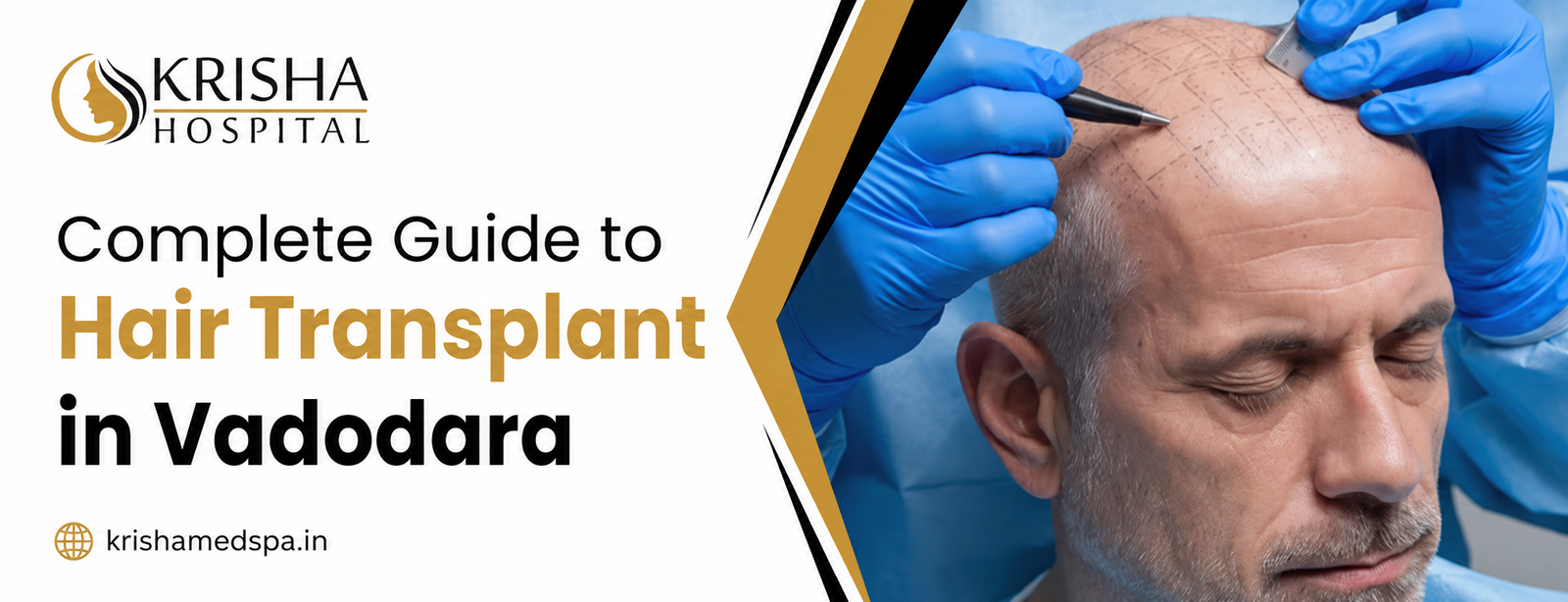
Hair loss can affect confidence, appearance, and emotional well-being. With advancements in medical technology, modern hair restoration procedures now offer natural and long-lasting solutions. Choosing a hair transplant Vadodara procedure can help individuals regain lost hair through scientifically proven techniques designed around their specific hair loss pattern.
A hair transplant is not simply about adding hair to bald areas. It involves careful planning, donor hair assessment, follicle preservation, and artistic placement to achieve a natural hairline. Before selecting any treatment, understanding the procedure, cost, techniques, recovery process, and expected results is essential.
This complete guide explains everything you need to know about hair transplant procedures, including FUE, FUT, PRP, GFC therapy, beard restoration, and factors that influence the final outcome.
Understanding Hair Transplant: What Is the Procedure?
A hair transplant is a minimally invasive procedure where healthy hair follicles are taken from a donor area, usually the back or sides of the scalp, and implanted into areas affected by thinning or baldness.
The transplanted follicles continue to grow naturally because they are usually resistant to hair loss. Unlike temporary solutions such as topical products or medications, transplantation focuses on restoring permanent hair growth.
Many people researching hair transplant Gujarat options look for procedures that provide natural density, minimal scarring, and reliable results. A successful treatment depends on several factors, including the surgeon’s expertise, the technology used, the donor hair quality, and post-treatment care.
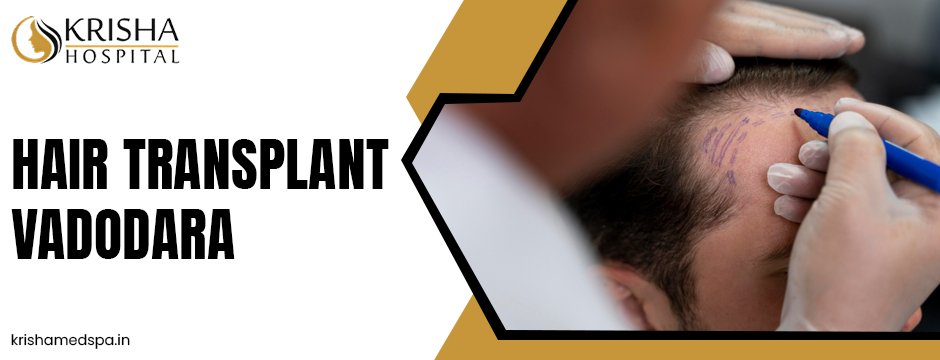
Hair Transplant Vadodara: Available Techniques and Procedures
Different hair restoration techniques are available depending on the severity of hair loss, lifestyle preferences, and treatment goals. A proper consultation helps determine the most suitable approach.
Follicular Unit Extraction (FUE) Hair Transplant
FUE is one of the most popular modern hair transplant techniques. In this method, individual hair follicles are extracted from the donor area using specialised instruments.
The procedure generally includes:
- Scalp examination and treatment planning
- Local anaesthesia application
- Individual follicle extraction
- Preparation of grafts
- Placement of follicles into thinning areas
- Post-treatment instructions
One of the major advantages of FUE is that it does not require a linear incision. This results in minimal scarring and quicker recovery. It is suitable for individuals who prefer shorter hairstyles because the extraction marks are usually tiny and difficult to notice.
Follicular Unit Transplantation (FUT) Hair Transplant
FUT is another established hair restoration method. During this procedure, a thin strip of tissue containing healthy follicles is removed from the donor area. The strip is carefully divided into individual follicular units under microscopic guidance.
These grafts are then implanted into the recipient area to recreate natural hair growth patterns.
FUT can be beneficial for individuals requiring a larger number of grafts, especially in cases of advanced baldness. It allows doctors to transplant a significant number of follicles in a single session.
GFC Hair Treatment for Hair Growth
Growth Factor Concentrate (GFC) therapy is a non-surgical treatment that uses concentrated growth factors obtained from the patient’s own blood.
The process involves collecting a small blood sample, separating growth factors using specialised processing methods, and injecting them into areas affected by hair thinning.
GFC therapy helps by:
- Supporting inactive hair follicles
- Improving scalp circulation
- Strengthening existing hair
- Enhancing overall hair quality
This treatment is commonly preferred by individuals experiencing early to moderate hair loss who want a non-surgical option.
PRP Hair Transplant Treatment
Platelet-Rich Plasma (PRP) therapy uses the healing properties of the patient’s own blood. The blood is processed to separate platelet-rich plasma containing growth factors and proteins.
The prepared plasma is injected into thinning scalp areas to stimulate follicle activity and improve hair strength.
PRP is often recommended for:
- Early-stage hair thinning
- Male and female pattern hair loss
- Weak hair follicles
- Improving results after transplantation
Furthermore, PRP sessions usually require minimal downtime, making them convenient for people with busy schedules.
Beard Hair Transplant Procedure
A beard transplant is designed for men experiencing patchy beard growth, uneven facial hair distribution, or hair loss caused by scars and injuries.
The procedure follows a similar approach to scalp FUE. Healthy follicles are extracted from the scalp donor area and implanted into the beard, moustache, or sideburn regions.
The transplanted hair grows naturally and can be shaved, trimmed, and styled like regular facial hair.
Hair Transplant Prices: Understanding the Cost Before Your Treatment
What Determines Hair Transplantation Prices?
The cost of hair restoration depends on several factors, including the technique selected, the number of grafts required, the level of hair loss, and treatment goals. Advanced procedures like FUE Hair Transplant, FUT Hair Transplant, GFC therapy, and PRP treatment have different pricing structures. Generally, PRP sessions may cost around ₹4,000–₹15,000 per session, while GFC treatment can range between ₹10,000–₹25,000 per session. Surgical transplant costs vary according to graft requirements and complexity.
Factors That Influence the Final Cost
A personalised consultation is important because every patient has unique hair loss patterns. Doctor expertise, technology used, number of sessions, and additional treatments can also affect the overall investment. Choosing a treatment based on quality, safety, and expected results ensures better long-term value rather than focusing only on the lowest price.
- Number of grafts required
- Degree of baldness
- Technique selected
- Doctor’s experience
- Technology and equipment used
- Additional treatments required
Generally, advanced procedures with higher graft requirements may cost more because they involve greater planning and surgical time.
People comparing hair transplant Gujarat clinics should focus on treatment quality, safety standards, and expected results rather than choosing only based on price. A lower cost procedure may not always provide the desired density or natural appearance.
Factors That Affect Hair Transplant Results
Hair transplant outcomes depend on proper evaluation and realistic expectations. A skilled professional considers facial structure, existing hair direction, donor capacity, and future hair loss possibilities before designing the hairline.
Important factors include:
Quality of Donor Hair
Healthy donor follicles play a major role in achieving long-lasting results. Strong follicles have better survival rates after transplantation.
Correct Hairline Planning
A natural hairline should match the individual’s age, facial proportions, and future hair loss pattern. An overly straight or low hairline may look unnatural over time.
Proper Aftercare
Following post-procedure instructions is essential. Patients are generally advised to avoid unnecessary scalp pressure, follow medication guidelines, and maintain gentle scalp care during recovery.
Recovery Timeline After Hair Transplant
Recovery varies depending on the technique used and individual healing ability. Most patients can return to normal activities within a short period.
During the initial phase, mild redness, swelling, or sensitivity may occur. These effects usually reduce gradually.
New hair growth does not appear immediately. Transplanted follicles enter a natural growth cycle, and visible improvements usually become noticeable after several months.
Recovery after a hair transplant Vadodara procedure requires patience because natural hair development happens gradually. Full results are commonly evaluated after around 9 to 12 months.
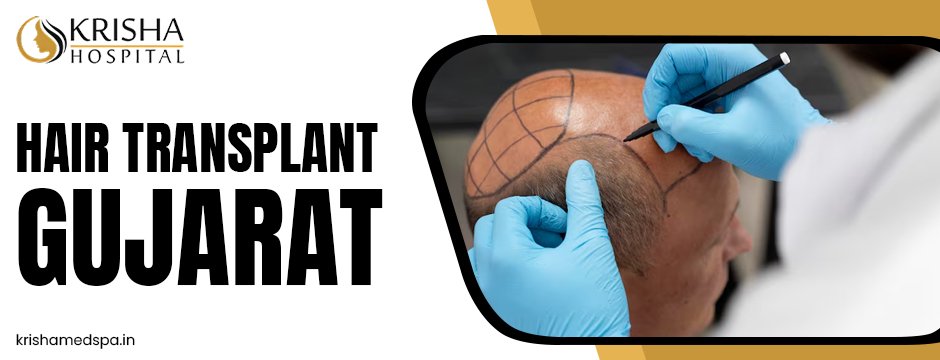
Benefits of Modern Hair Restoration Treatments
Advanced hair restoration techniques offer several advantages:
- Natural-looking hair growth
- Permanent follicle placement
- Minimal downtime
- Improved confidence
- Customised treatment planning
- Suitable options for different levels of hair loss
Additionally, modern methods focus on preserving existing follicles while restoring lost density. This approach creates balanced and realistic outcomes.
Choosing the Right Hair Transplant Clinic
Selecting the right clinic is one of the most important decisions before undergoing treatment. Patients should consider:
- Doctor qualifications and experience
- Previous treatment results
- Hygiene standards
- Technology available
- Transparent consultation process
A reliable centre offering hair transplant Vadodara services should provide a detailed evaluation before recommending any procedure. Every patient’s hair loss pattern is different, so personalised planning is essential.
Advanced hair transplant solutions in Gujarat combine medical expertise with modern techniques to deliver safer and more predictable outcomes. A detailed consultation helps patients understand what results they can realistically expect.
Restore Your Confidence with Advanced Hair Restoration Solutions
At Krisha Hospital, we provide advanced hair restoration treatments designed to help you achieve natural-looking and long-lasting results. We offer modern solutions, including FUE, FUT, PRP, GFC therapy, beard hair transplant, and personalised hair care plans. Our experienced team focuses on accurate diagnosis, advanced technology, and patient-friendly procedures to address different hair loss concerns. With a commitment to safety, quality, and customised treatment, we help individuals regain healthier hair and renewed confidence through trusted aesthetic care.
Final Thoughts
Hair restoration has become a reliable solution for individuals struggling with thinning hair and baldness. From FUE and FUT transplantation to PRP and GFC therapies, modern treatments provide multiple options based on individual requirements.
A successful hair transplant Vadodara journey depends on proper diagnosis, realistic expectations, expert execution, and consistent aftercare. Choosing the right approach can help achieve natural growth, improved density, and long-term satisfaction.
For personalised consultation and advanced hair restoration solutions, contact Krisha Hospital to explore suitable treatment options designed around your hair goals.
Frequently Asked Questions
Is a hair transplant permanent?
Yes, transplanted follicles are generally permanent because they are taken from areas naturally resistant to hair loss. However, existing non-transplanted hair may continue to thin without proper care.
Which hair transplant technique is best?
The ideal technique depends on hair loss severity, donor availability, and personal goals. FUE, FUT, PRP, and GFC treatments each have different benefits.
How long does a hair transplant take?
The duration depends on the number of grafts required and the selected method. Larger procedures may take several hours, while non-surgical therapies are usually completed faster.
Are hair transplants painful?
Most procedures are performed under local anaesthesia, which helps minimise discomfort. Patients may experience mild sensitivity during recovery.